
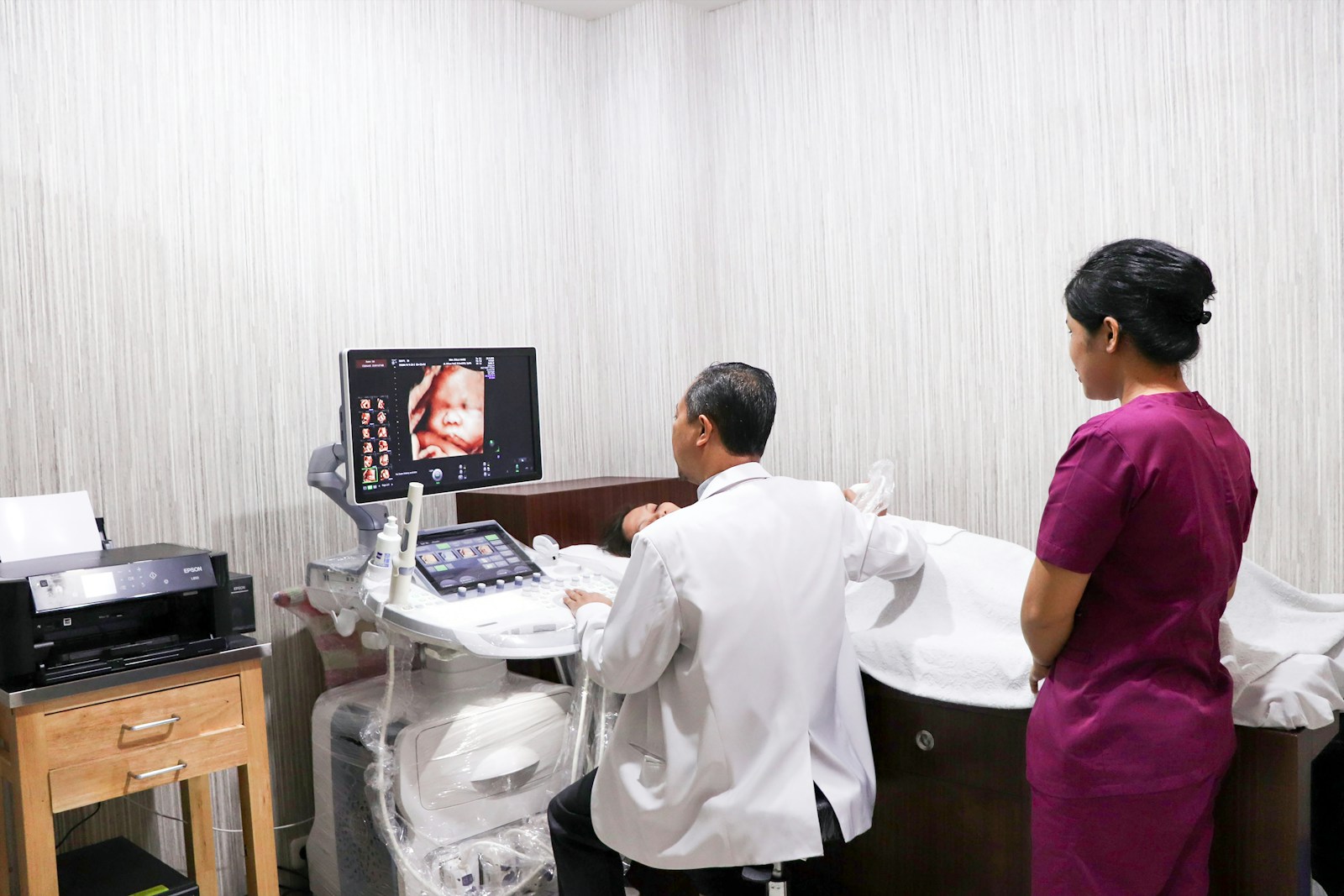

When we talk about improving patient outcomes, we often think about advanced medications, state-of-the-art equipment, and new treatment protocols. Yet there’s another piece to the puzzle that can dramatically shift how patients heal and cope: a focus on relational health. Relational health screening tools offer us an organized way to explore the connections between patients and their support networks, including providers, family members, and community resources. These screenings may not seem as flashy as the latest medical device, but research suggests they can have a profound healthcare relational health impact, boosting patient trust and, ultimately, outcomes.
Why relational health matters
Relational health typically refers to the quality and depth of connections that shape a patient’s emotional and social environment. It’s not limited to just how warmly a patient feels toward their doctor. It also involves family ties, caregiver relationships, and even the broader healthcare team. When relational health is strong, patients are more engaged, more confident in their care, and more likely to adhere to medical advice.
Studies show that people who feel heard by their providers are less distressed and more satisfied with care overall (PMC). In fact, patients who reported that their providers spent enough time, listened carefully, and built trust were more likely to be 100% adherent to prescribed medications. That sense of genuine connection doesn’t just boost loyalty, it fosters better follow-through on care plans, from making routine appointments to properly managing chronic conditions.
We’ve also seen how patient satisfaction can dip whenever a clinical system transitions to a new electronic health record (EHR) platform, only to climb back up months later (PubMed Central). Interestingly, the biggest driver for satisfaction wasn’t just the technology. It was a matter of how effectively providers stayed connected with patients during that technological shift. This highlights the power of strong relationships in healthcare.
Measuring relational health
It might feel tricky to score something as inherently personal and human as a patient-provider relationship. Yet standardized screening tools can guide us. Think of them like questionnaires that prompt patients to reflect on how well they connect with their providers, how comfortable they feel voicing concerns, and how supported they are by friends and family.
We typically rely on standard vitals or physical exams. But it’s pretty clear that relational health tools relational health assessment patient relationship survey can help quantify exactly where patients stand on issues like communication, empathy, and trust. These survey-style tools might pose questions such as:
- “Do you feel your healthcare provider listens without rushing you?”
- “How comfortable are you asking questions during appointments?”
- “Who do you rely on for emotional or practical support at home?”
One of the advantages of measuring these relational elements is that you can discover early warning signs. If a patient is answering “Rarely” or “Never” to questions about feeling heard, it might cue us to step in with solutions that improve that relationship. For example, some clinics use brief structured prompts to spark conversations about emotional support networks, focusing on who offers practical help (like transportation to appointments) versus who offers encouragement (such as a friend who calls regularly).
A recent review found that communication and interpersonal skills, including spending enough time in visits, could lessen a patient’s treatment burden and build their confidence in self-management (PMC). In other words, by systematically capturing feedback on relational health, we gain real-time insights that translate into better, more personalized care.
Implementing screening tools
So how do we incorporate relational health screening into everyday practice without overwhelming staff or patients? Much like adding any new protocol, we can start small and gradually expand. We might add a couple of well-designed questions to our existing intake or annual checkups, then build from there.
- Keep it simple. If a form is excessively long or asks overly personal questions, patients might be hesitant. A concise, focused set of questions can lead to higher response rates.
- Integrate it digitally. Many EHR systems can embed short screening forms, streamlining data collection. Or consider a standalone tablet or online platform so patients can complete it in the waiting room.
- Build a workflow. It often helps to have a well-defined plan for how staff will handle the gathered information. For tips on structuring these processes, check out our relational health screening workflow quick relational assessments patient care time management.
- Offer follow-up resources. If a patient flags that they have minimal support at home, be ready to connect them to social services, counseling, or community programs.
Research on eHealth solutions, including telehealth and mHealth apps, underlines how technology can either positively or negatively affect patient-provider relationships, depending on design and implementation (NCBI). That means if we roll out digital forms for testing relational health, we should ensure they’re user-friendly and that providers know how to respond genuinely to the results.
Overcoming common barriers
Of course, screening for relational health can stir up practical and emotional challenges. Here are a few hurdles we’ve often encountered, along with strategies to tackle them:
- Time constraints
- Providers already feel time-pressured, so adding another screening might feel impossible. Yet even a quick 2-minute form can plant seeds for richer conversations. By streamlining who handles the handouts (perhaps a medical assistant), we keep schedules on track.
- Staff skepticism
- Team members might wonder whether relational health screening truly matters. Training sessions that highlight evidence-based outcomes, including reduced readmission rates and stronger patient satisfaction, can help. Sometimes, just reminding our staff that each question could reveal a critical insight about a patient’s support system boosts buy-in. See our healthcare staff buy in relational health training relational health staff challenges for more on motivating the team.
- Patient hesitation
- Patients may be wary of sharing personal stories. By articulating why we’re asking and how it can help us tailor their care, we build trust. Emphasizing confidentiality and compassion can go a long way.
- Integration with EHR
- A mismatch between screening forms and an EHR platform leads to duplication. On the other hand, smooth EHR integration helps us quickly spot relational gaps alongside medical concerns. Some facilities have found success using an EHR module that tags relational data for easy reference (PubMed Central).
Enhancing patient outcomes
At face value, screening might look like just another data point, but the ripple effects reach far beyond a checkbox. For patients, knowing their voices matter can lower stress. According to one study, good provider communication lessens psychosocial distress and fosters confidence in self-management for those with multiple chronic conditions (PMC). Imagine how that can translate into timely medication adherence or improved lifestyle choices.
We’ve also seen that patient satisfaction with access to care—like how easy it is to get someone on the phone—can initially drop after introducing new technology. However, satisfaction often picks back up within 9 to 15 months (PubMed Central). This rebound indicates how relational trust can adapt over time, especially if we prioritize consistent communication during any transition period.
Here’s a quick snapshot of relational health factors that can shape patient outcomes:
| Relational Factor | Potential Impact on Outcomes |
|---|---|
| Provider listening | Encourages adherence to care plans, reduces misunderstanding, builds trust |
| Sufficient appointment time | Decreases patient anxiety, strengthens openness to share symptoms and concerns |
| Supportive home network | Reduces stress, improves emotional well-being, helps with day-to-day care management |
| Regular follow-up contact | Boosts accountability, shows patients they matter, addresses small problems before they escalate |
When we see a gap in one of these areas, that’s our cue to lean in with proactive support. Sometimes, it might mean connecting a patient to counseling resources or scheduling more frequent check-ins. Other times, it could be as simple as customizing communication methods—like deciding whether a patient prefers phone calls over text messages, which can be influenced by their comfort level and demographics (NCBI).
Expanding holistic care
We know social determinants of health (SDOH) can profoundly influence a patient’s well-being, from their financial stability to transportation access (NIH – PMC). By capturing both relational health data and SDOH details, we can develop more holistic care plans. If we spot issues like food insecurity or housing instability, we’re better positioned to connect patients to community resources early, ensuring that social needs don’t become a barrier to consistent treatment.
This synergy—combining relational health screening with an SDOH lens—can cut across multiple domains of a patient’s life. We might advise additional nutritional support or discuss how a patient’s living situation affects their ability to follow through on medical instructions. Checking these boxes isn’t just about compliance, it’s about creating a care environment in which patients can safely and consistently optimize their health. For an overview on how to incorporate social determinants, see our sdoh relational health social determinants of health assessments relational screening tools.
Maintaining momentum
Implementing relational health screening isn’t a one-time exercise. Collecting data is only the first step. From there, we need to interpret results, adapt interventions, and reevaluate as patient circumstances evolve. Continuous monitoring also helps us fine-tune the approach—if a patient’s relationships improve, we might scale back certain interventions. If they worsen, we know to increase our support.
Here are a few tips for keeping relational health at the forefront over the long haul:
- Build screening into regular follow-ups.
- Whether it’s an annual exam or a chronic condition checkup, make relational question sets a standard item.
- Share data responsibly.
- It’s crucial to maintain patient privacy. At the same time, a summary of relational health findings can be shared with relevant care team members to foster continuity of care.
- Schedule staff reviews.
- Hosting periodic staff meetings to discuss aggregated relational health trends can highlight broader patterns. Perhaps multiple patients are reporting trouble coordinating with at-home caregivers, prompting us to strengthen community partnerships.
- Celebrate small wins.
- Sometimes the changes might look subtle: one patient feels more comfortable speaking up, another decides to bring a friend along to an appointment. By acknowledging these successes, we reinforce the value of our relational health approach.
Supporting next steps
From everything we’ve seen, consistently using relational health screening tools can re-energize the patient-provider alliance. By shining a light on trust levels, communication gaps, and the role of broader social networks, we create more meaningful opportunities for connection. When patients feel heard and supported, we see better adherence, fewer missed appointments, and improved overall well-being.
That transformation may not be instantaneous—like trying out a new recipe, it may take time to get the seasoning just right. But over and over, we see that if we stick to it, the relational approach yields deeper conversations and more authentic engagement.
If you’re curious about implementing or refining relational health screening in your practice, we would love to help. We invite you to schedule a discovery call with us to explore practical steps, training workflows, and strategies to tailor the screening process to your unique patient population. Let’s work together to uncover the power of relationships in delivering better care and boosting patient outcomes. By giving relational health a seat at the table, we’re shaping a more supportive, empathetic, and successful healthcare environment for everyone.