
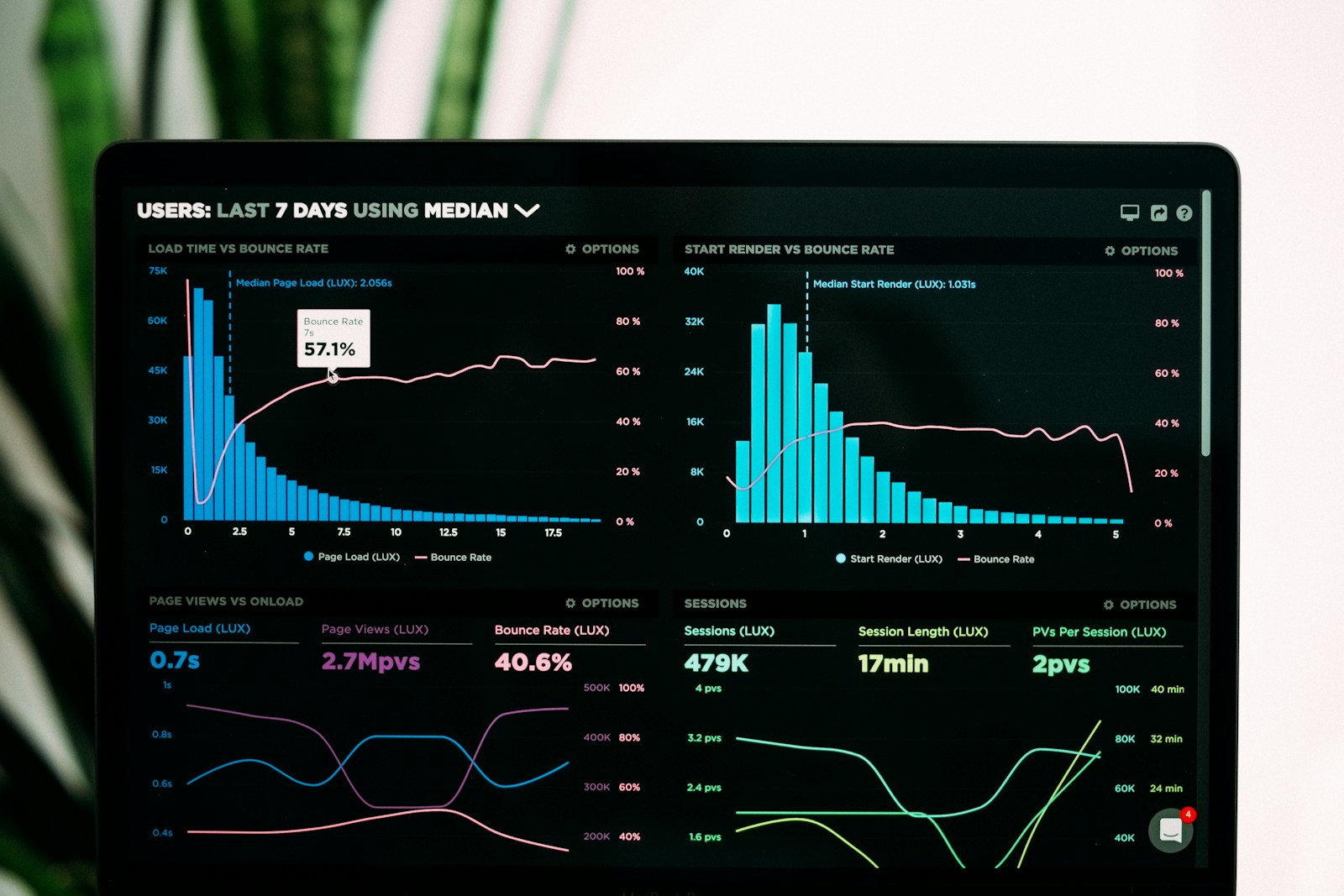

Recognize the power of data
We know that solid relationships can boost healing, provide a sense of security, and offer meaningful connection for our patients. Yet it is challenging for clinicians to track and measure these many influences without clarity. That’s where a relational health dashboard comes into play. By using healthcare relational data visualization, we can harness relational analytics in practical ways to guide better care decisions.
Interestingly, healthcare data already makes up about 30% of the world’s data volume, with a projected growth rate of 36% by 2025 (Datylon). Sorting and making sense of these vast streams is a bit like trying to tidy up a kid’s play area at the end of the day—you need the right system or things keep piling up. In a similar vein, dashboards act like that organizational structure, helping us transform complex and sometimes messy information into something we can see and interpret at a glance.
But what sets a relational health dashboard apart is its focus on “who” surrounds the patient as much as “what” surrounds the patient. We’re tracking relational factors—like the support of family members, community connections, or any sense of social isolation—in parallel with clinical outcomes. As we’ll explore, visualizing these connections can promote more empathic, holistic, and effective care.
Visualize relational health metrics
The concept behind healthcare relational data visualization is straightforward: display data in a user-friendly format so busy providers can interpret relationships, patient feedback, and trending interactions. We’ve seen from multiple studies how dashboards reveal hidden patterns that might be missed in raw data sets (Datylon; JMIR Research Protocols).
Examples of relational metrics to visualize
- Levels of social support and connections
- Patient-family communication frequency
- Quality of peer or group support reported by patients
- Relationship stress points or conflict frequency
- Healthcare staff-to-patient communication patterns
Visualizing these indicators can guide interventions. For example, if we notice an uptick in relationship strain reported in a certain patient population, we can investigate the root causes—maybe they’re struggling to juggle childcare and regular appointments, or they lack access to community resources. With that discovery, staff could offer specific support tools or refer them to relevant groups.
User-friendly points and alerts
A best-practice dashboard doesn’t bury us in metrics and complicated graphs. Instead, it highlights a handful of key performance indicators (KPIs) that reflect the most pressing relational health needs. A color-coded system, for instance, can be instantly telling: green signals healthy support systems, yellow suggests moderate concerns, and red indicates urgent intervention.
The end user—whether a physician, nurse, or social worker—should be able to pull up these metrics in seconds. Ideally, the interface feels as intuitive as checking the weather app on your phone. This saves time for busy healthcare teams and ensures that relational data remains at the forefront of care decisions. If issues arise, a built-in alert says: “Hey, we have a possible concern about family engagement,” prompting the clinician to discuss relational well-being during the next visit.
Integrate dashboards for better care
Over the years, we’ve come to understand that technology alone doesn’t solve every challenge. We need a practical strategy: embedding a relational health dashboard into standard care workflows so it feels less like just another digital tool and more like an integral part of how we practice medicine.
Building blocks of effective dashboards
-
Data sources that matter. Combining social determinants of health, clinical outcomes, and interpersonal feedback is critical. For instance, an EHR-integrated system could feature relational health EHR electronic health records relational data integrate relational metrics to conveniently display what truly matters for each patient.
-
Contextualized user design. Different wards or specialties require different metrics. Emergency department teams might need real-time alerts on social support for patients admitted during crisis. Meanwhile, mental health clinicians often require more nuanced relationship data on a patient’s home environment.
-
Collaboration among stakeholders. Engaging both clinicians and patients during development has been shown to boost adoption (BMC Medical Informatics and Decision Making). Users can help refine what they see and identify which metrics best capture a patient’s needs.
Aligning relational dashboards with everyday workflow
From our experience, many clinicians appreciate tools that adapt quickly to their usual routine rather than demanding they change everything. For example, we could introduce a quick relational health screening workflow that captures data about patient relationships alongside standard vitals. Once it’s stored in the electronic health record, the dashboard can visually highlight patterns.
Moreover, real-time accessibility matters. Visual data that’s updated immediately ensures we don’t miss critical trends. For instance, if we see a shift in a patient’s circle of support—perhaps a caregiver is away or an adult child returns home—our dashboard registers that change to keep care teams fully informed.
Strengthen patient outcomes
Robust stats show that data can do more than just inform care decisions; it can literally improve patient outcomes. When hospital staff keep an eye on both medical factors and relational health, they can proactively intervene before isolation or relationship stress escalates. According to one group’s real-time dashboard study, clinical outcomes related to patient deterioration improved significantly, with early referrals skyrocketing (BMJ Open Quality).
Why relational analytics matter
- Better adherence to care: Patients surrounded by supportive relationships often follow treatment plans more faithfully. If a relational health dashboard flags a low support score, we can step in with more check-ins, peer groups, or counseling referrals.
- Reduced readmission risk: A stable home environment, ongoing emotional support, and consistent follow-up can keep patients healthier post-discharge, aligning with the goals of relational health readmissions relational support outcomes healthcare readmission prevention.
- Holistic well-being: By shining a light on the social dimension of health, dashboards pave the way for a more human approach to healing. We see people in the context of their relationships, not just as data points.
The human story behind the numbers
Even the best data visualization means little unless we interpret it in human terms. Think about a patient who is dealing with both chronic back pain and caregiving responsibilities for an older parent. Once that story shows up on our digital radar, we can start formalizing a plan—perhaps connect them with respite care or set up counseling appointments.
From a pop-culture standpoint, it’s reminiscent of team-based shows where every player has a special skill. When patients feel supported by healthcare, family, and community, they’re part of a well-orchestrated team. Everyone can see how each puzzle piece fits together, ultimately crafting a full picture for better outcomes.
Embrace real-time improvement
One of the greatest wins dashboards provide is ongoing quality improvement. With data streaming in, we can refine how we treat patients in real time. This feedback loop—plan, do, study, and act—was tested in the largest National Health Service trust in the UK, leading to major boosts in referral and assessment rates (BMJ Open Quality).
Getting staff on board
Without team buy-in, even the most elegant dashboards can collect dust. Training is essential, ensuring each nurse, clinician, or therapist feels comfortable navigating these visual tools. We’ve seen how healthcare staff buy in relational health training relational health staff challenges can make or break new initiatives.
Some tips for fostering staff engagement:
- Showcase how the dashboard saves time by quickly flagging relational health risk areas
- Provide demonstration modules for day-to-day use
- Offer ongoing support, so staff can troubleshoot issues as they arise
- Celebrate early “wins,” such as a patient who experiences improved outcomes thanks to early relational interventions
Fine-tuning dashboard design
As we gather usage insights, small tweaks can be made. Maybe certain visuals need color contrasts for better clarity, or a particular metric isn’t as useful for daily discussions. Over time, these iterative improvements help the dashboard become an indispensable resource. It’s a bit like fine-tuning a recipe: each adjustment refines the final dish so it suits everyone’s taste.
Coordinate data for patient engagement
Our patients deserve a voice in their care. When we begin leveraging relational analytics well, it’s empowering for patients to see the bigger picture of their own support system. Easy-to-read graphics can show them at a glance how their relationships and daily habits might be influencing health outcomes.
Encouraging shared decision-making
A patient who notices that their emotional support scores dipped since the last visit might ask more questions about mental health resources. This shared decision-making is further boosted when clinicians consistently review a relational health survey patient engagement survey design healthcare survey tools alongside standard labs or imaging results. By painting a fuller picture, we encourage patients to see their support network as an integral part of recovery.
Extending the dashboard concept to families
Loved ones often play a major role in encouraging healthy behaviors, whether that means preparing nutritious meals or offering a listening ear. We can enhance our family health assessment family relational health provider tools for family assessment to illustrate how various family dynamics can help strengthen or hinder patient progress. These insights are particularly valuable for chronic conditions like diabetes or hypertension, where day-to-day lifestyle factors weigh heavily on outcomes.
Measure meaningful outcomes
It’s no secret that healthcare aspires to be both patient-centered and metrics-driven. Monitoring relational data completes that loop, transforming intangible human connections into actionable insights. As organizations align themselves with a value-based care model, administrators see the evidence: improved relationships have a measurable impact on lowering healthcare costs and enhancing results, aligning with relational health value based care relational metrics healthcare cost savings relational roi healthcare.
Key metrics to watch
- Patient satisfaction scores: Are patients consistently reporting they feel heard and supported?
- Overall relational health scores: Reflecting emotional support, communication quality, presence of conflict, and more.
- Resource utilization: Do patients with stronger relational ties require fewer urgent care visits?
- Readmission rates: Tied closely to the presence (or absence) of supportive home environments.
- Staff time to intervention: Indicating whether a concern flagged in the dashboard actually prompted timely care or counseling adjustments.
Practical data reporting
In practice, we might generate weekly or monthly relational health reports healthcare leadership outcomes roi relational health. These clear, concise reports go to clinicians, department heads, and other stakeholders, highlighting successes, areas of concern, and recommended next steps. When completed regularly:
- It keeps leadership informed of emerging trends or persistent issues
- It offers accountability for staff who use the dashboards
- It shows the real-world impact of focusing on relational health
Prepare for future innovations
We’re only beginning to scratch the surface of what relational health dashboards can achieve. With advancements in artificial intelligence, predictive analytics, and real-time cloud integrations, relational analytics may soon become even more precise. Imagine a scenario in which an AI-driven system suggests support programs to a new parent experiencing postpartum blues, or calculates risk for hospital readmission if a patient lacks a consistent caregiver.
Looking ahead with expansion in mind
Here are a few emerging areas where relational dashboards could excel:
- Telehealth integration: Real-time tracking of remote visits, including video calls with family or peer support groups
- Preventive care alerts: Flag potential social isolation or relational stress before it culminates in a health crisis
- Community resource mapping: Identify local programs that address food insecurity, counseling sessions, or group therapy
Such capabilities speak to an era where technology truly supports the human element in healthcare. In the end, dashboards are tools. They enable us to see patterns, but it’s our compassionate response that ultimately elevates patient care.
Take the next steps
We believe in the power of relationships—relationships between providers and patients, among family members, and within broader communities. With a well-designed relational health dashboard, we can bridge the gap between raw data and compassionate, thoughtful treatment plans. The result is a framework for better care: easier identification of support gaps, faster interventions, and more meaningful patient-provider partnerships.
For health professionals who want to strengthen their approach, we invite you to join us in exploring these tools further. Schedule a discovery call with our team to find out how modern data visualization platforms, tailored metrics, and user-centered design can make relational analytics a reality in your practice. We’re here to help you bring every crucial relationship into view, so each patient feels less alone, more supported, and ultimately healthier—one connection at a time.